

Joint pain can indicate serious conditions such as arthritis or gout. Doctors advise seeking help for persistent pain, swelling, or morning stiffness.
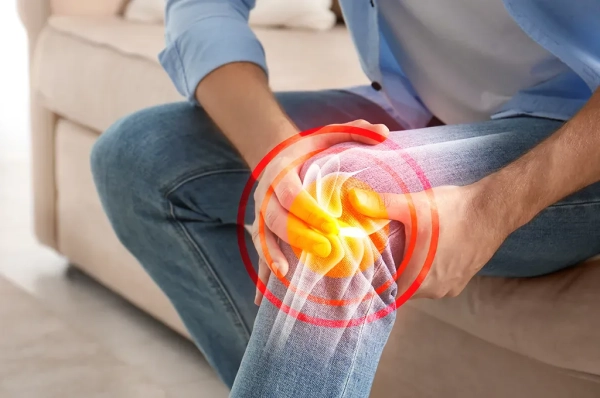
Joint discomfort is a familiar issue for millions globally. It can manifest after physical exertion, injury, or prolonged static posture, and sometimes it serves as the initial indicator of a significant medical condition. For more details on the origins of joint pain, circumstances warranting medical attention, and methods for maintaining joint health long-term, UNN will provide insights.
Why Joint Pain Occurs
Joints facilitate the body’s mobility. They connect bones and operate in close conjunction with muscles, tendons, and ligaments. However, disruptions within this intricate system can lead to pain. Among the most frequent catalysts for discomfort, specialists cite inflammatory and degenerative changes in the joints and surrounding tissues, consequences of injuries, infectious diseases, metabolic imbalances, neurological and endocrine system disorders, as well as excessive physical strain. Often, unpleasant sensations can also be linked to conditions like rheumatoid arthritis, arthrosis, osteoarthritis, or gout. Furthermore, in certain instances, joint pain accompanies autoimmune diseases, allergic syndromes, and other pathological processes within the body. Heredity also plays a distinct role; if joint ailments have occurred in the family, the risk of developing similar issues may be elevated.
Who is at Risk
Anyone can experience joint pain, yet certain demographics are more susceptible. The at-risk categories include, but are not limited to, the elderly, professional athletes, individuals with excess body weight, pregnant women, and those leading sedentary lifestyles or working in seated positions. Concurrently, the risk escalates for individuals whose occupations involve repetitive, uniform movements. For example, prolonged computer use can place additional stress on the hands and wrists.
Symptoms Indicating Joint Problems
Pain is not always the sole manifestation of an illness; it is frequently accompanied by other symptoms that help elucidate the nature of the problem. These include morning stiffness, sensations of numbness or tingling, reduced joint mobility, a feeling of “woodenness,” swelling, redness of the skin around the joint, elevated temperature, and pain during movement or touch.
In some cases, individuals may find it difficult to perform routine actions. For instance, with knee joint involvement, walking or climbing stairs becomes more challenging, while shoulder joint issues can impede lifting objects. If the condition progresses, cartilage destruction and joint deformity may occur.
Why Different Joints Ache
The reasons for pain can vary depending on the specific affected area.
For example, pain in the fingers and hands is often associated with inflammatory processes, particularly rheumatoid arthritis. It can also be triggered by occupational strains involving numerous repetitive motions. Pain in the shoulder and elbow joints frequently arises after blows, falls, dislocations, or other injuries. In such scenarios, inflammation of tendons or bursae can develop. And if the pain is localized to a single joint in an arm or leg, gout is sometimes the cause. This is a condition related to uric acid accumulation and crystal formation within the joints, which induces inflammation. The hip joint often suffers from gradual cartilage deterioration, which is particularly relevant for older individuals. Conversely, knee joints frequently ache after injuries, prolonged physical exertion, or improper training techniques.
When to Seek Medical Advice Without Delay
Occasionally, pain subsides on its own within a few days. However, there are situations where a specialist’s consultation is essential. You should consult a doctor if:
- the pain persists for an extended period;
- swelling or redness appears;
- body temperature rises;
- difficulty with joint mobility arises;
- pain interferes with sleep;
- weakness, loss of appetite, or weight loss is observed;
- morning stiffness lasts more than an hour after waking.
Medical assistance is also necessary following injuries, dislocations, or fractures.
How the Cause of Pain is Determined
To select the appropriate treatment, a doctor first ascertains the circumstances of the pain’s onset and compiles a medical history. During the consultation, the specialist may inquire about which specific joints are bothering the patient, how long the symptoms have been present, whether there were any injuries or overexertions, and if similar conditions run in the family. If necessary, further examinations are prescribed. These include laboratory tests, X-rays, ultrasound imaging of the joints, computed tomography (CT), or magnetic resonance imaging (MRI). In some cases, synovial fluid analysis may be performed.
How Joint Pain is Treated
The treatment approach depends on the cause of the condition and the extent of joint damage.
To alleviate pain and inflammation, nonsteroidal anti-inflammatory drugs (NSAIDs), analgesics, and specialized ointments, creams, or gels may be employed. In some instances, doctors prescribe glucocorticoids, antibiotics, or other medications based on the established diagnosis. Furthermore, limiting the strain on the affected joint and physical rehabilitation are crucial components of treatment. Comprehensive therapy can include therapeutic exercises, massages, and physical therapy procedures. However, in cases of significant joint damage, even surgical intervention may be required.
What Helps Maintain Joint Health
Complete protection from joint diseases is not feasible, but the risk of their development can be reduced. Specialists recommend maintaining a healthy body weight, avoiding injuries and excessive strain, engaging in regular movement, and prioritizing physical activity. A balanced diet with adequate vitamins and minerals certainly plays an important role. It is also advisable to refrain from harmful habits and avoid self-medication when experiencing persistent or severe pain. Joints endure considerable stress daily, so their condition largely depends on a person’s lifestyle. Therefore, the earlier a problem is identified and medical help sought, the greater the chances of preserving mobility and avoiding serious complications in the future.
ATTENTION! The material is for informational purposes only. If you have health concerns, consult a doctor.